



Special Collections:
Forests and Oceans

Our local partner, Marea Verde, recently discovered a surprising array of items within the Interceptor 022 catch from Rio Abajo. 🇵🇦
These unexpected findings highlight the diverse and often unusual debris polluting our waterways, underscoring the critical need for continued cleanup efforts and improved waste management.


Interceptors are slated for deployment in Mumbai, India.
This initiative, a collaboration with the Bharat Clean Rivers Foundation, aims to combat plastic pollution in the nation's rivers.
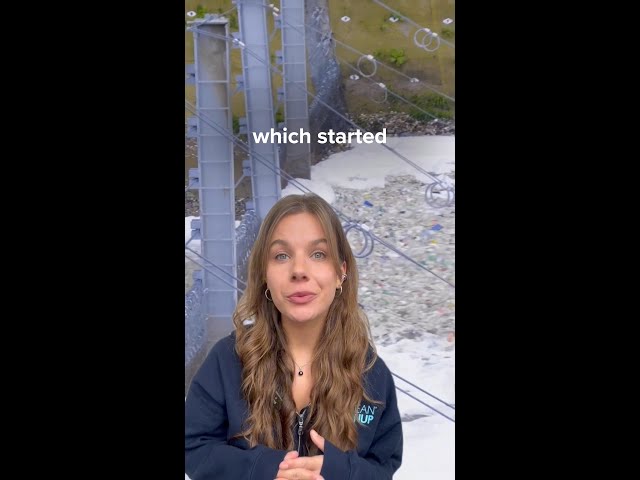


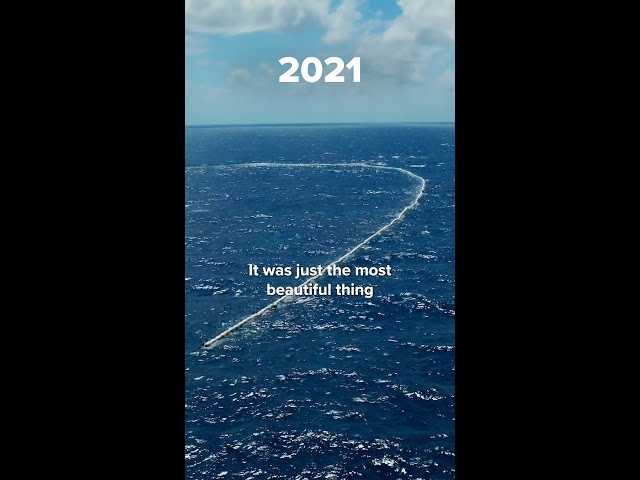
We are not currently in the GPGP. Our focus is on improving operations for enhanced efficiency.
Watch our ocean update video: https://youtu.be/OYrXldOVkn4?si=b9CuANxp-Vt340t9
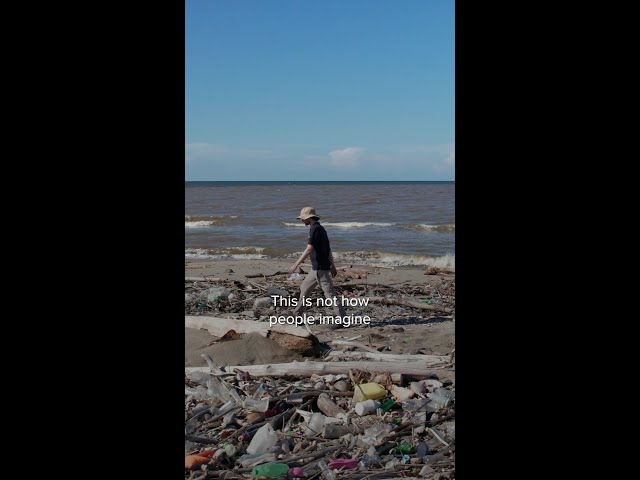
Explore the current impact of our operations in Guatemala and the strategic goals we are working towards. This video provides direct insights from both the local community and our dedicated team.
Watch the full discussion here: https://youtu.be/X7DYXrP3wvs

The Ocean Cleanup has deployed its largest Interceptor in the Gulf of Honduras, initiating a data-driven coastal sweep. This project combines cutting-edge technology with local action and a partnership with the Guatemalan Ministry of Environment to eradicate plastic pollution at scale.
This initiative protects marine life, safeguards coastal communities, and delivers significant environmental and social impact. Stay updated by subscribing here. Learn more and support their mission at theoceancleanup.com. Follow The Ocean Cleanup on social media: Facebook, Instagram, TikTok, and X.
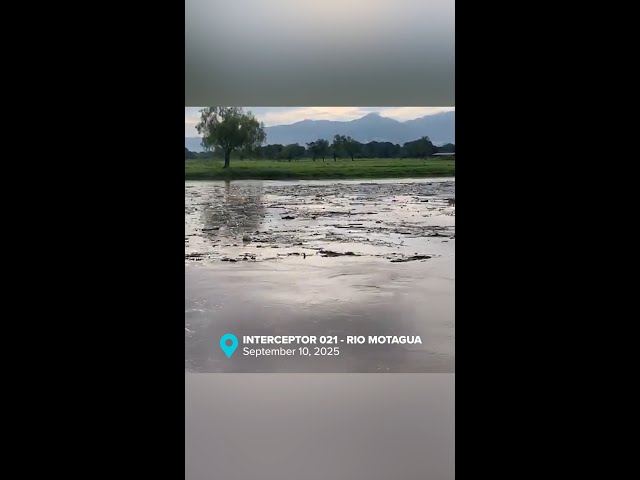
Interceptor 021 achieved its first major success just two days ago, intercepting a significant flush of trash.
This crucial operation prevented a large volume of waste from polluting the delicate ecosystem of the Gulf of Honduras.

Without intervention, these materials would have otherwise entered our oceans.
Their successful diversion prevented significant marine pollution.

Our mission is to restore the Gulf of Honduras to its pristine condition.
We achieve this by intercepting plastic before it reaches the ocean and conducting data-driven coastal cleanups to remove existing pollution.
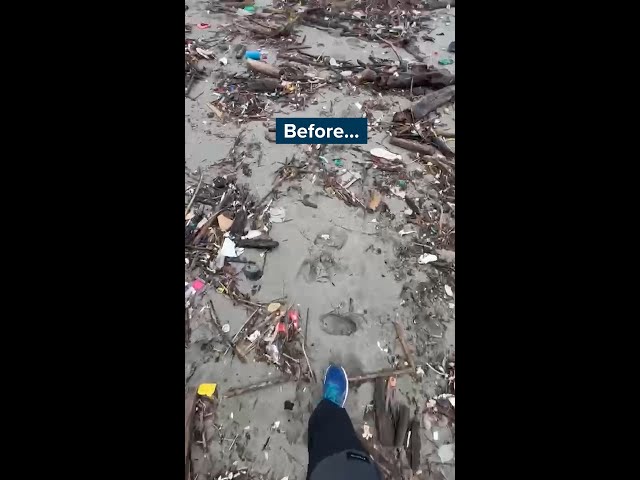
We reflect on the significant impact achieved by local communities and partners.
Their dedicated efforts successfully cleaned up beaches, mangroves, and coastlines, making a lasting difference.

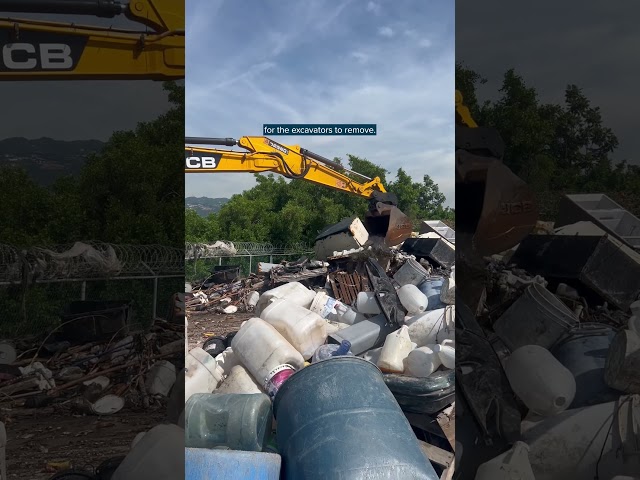
This year, we intercepted over 2,000 tons of trash from Kingston's gullies, preventing it from entering the Caribbean Sea.
This crucial removal restores the marine environment and positively impacts local fishing communities, whose catches were previously undermined by plastic pollution.

September marked a period of significant activity for The Ocean Cleanup. The team continued its vital mission to remove plastic pollution from the world's oceans and rivers.
Key efforts focused on System 002 (Jenny) operations within the Great Pacific Garbage Patch, successfully extracting substantial amounts of plastic debris. Preparations also advanced for upcoming river cleanup initiatives, expanding the scope of their environmental impact.
These ongoing operations underscore the organization's unwavering commitment to fostering a cleaner, healthier planet for future generations.



The Ocean Cleanup tackles plastic pollution by intercepting it in rivers, preventing it from reaching our oceans. This buys crucial time as upstream solutions, addressing the entire plastic lifecycle from production to disposal, are developed.
Our Interceptors not only collect plastic but also vital data on global emissions. This data is actively provided to governments and policymakers to drive systemic change. Concurrently, we clean up existing pollution, like the Great Pacific Garbage Patch, preventing its degradation into dangerous microplastics.
Every kilogram of plastic prevented from entering the ocean is a victory for ecosystems, coastal economies, and future generations. Learn more: theoceancleanup.com
Environmental Scientist and Advocate
What EarthSayers stands for
Discover Diverse Voices on EarthSayers
Unlike algorithm-driven platforms that push you into a content bubble, we ensure you hear a variety of perspectives from scientists, activists, Indigenous leaders, business innovators, and everyday citizens working toward sustainability.
EarthSayers CINEMA
Watch, learn and lead—sustainability starts with you.
The Many Passions of Matteo Lane
Matteo Lane is a multifaceted artist—stand-up comedian, painter, singer, and Broadway performer. In this interview, he shares how these skills intertwine in his creative process, likening art to a tree that branches out in various directions.
We explore his role as Billy Flynn in Broadway’s Chicago, his journey from bar shows to international comedy tours, and the evolution of gay representation in comedy. Lane also discusses his artistic roots at the School of the Art Institute of Chicago, his admiration for Maria Callas, and his philosophy of focusing on the journey of creation rather than the end product.
Official website: pbs.org/americanmasters


