




Special Collections:
Plastic in Our Oceans

Interceptor 011 in Kingston, Jamaica, captures trash in rivers before it reaches the ocean, improving the lives of coastal communities.
While not a solution to upstream challenges, the data collected helps enhance our 30 Cities Program, which aims to reduce global plastic emissions by one-third by 2030. We also collaborate with governments and policymakers to promote upstream change.

Check out the latest catch from Interceptor 006 in the Rio Las Vacas, Guatemala 🇬🇹.

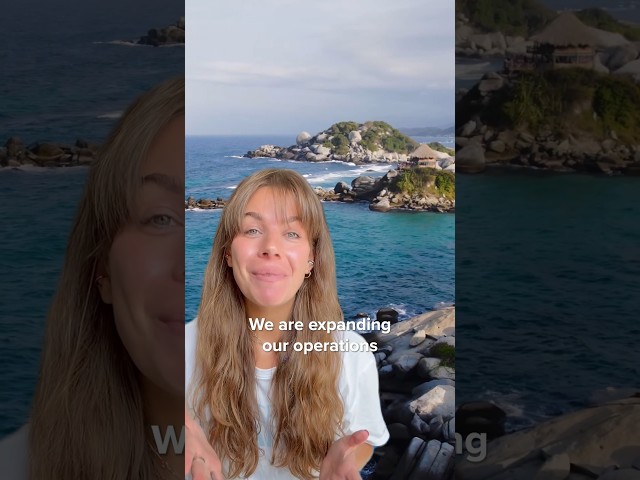
In August, The Ocean Cleanup expanded operations to Colombia, signing a Memorandum of Understanding with Santa Marta to deploy Interceptors in the Río Manzanares and Río Gaira. This initiative is part of the 30 Cities Program, aiming to prevent one-third of river plastic from entering the ocean by 2030.
In Panama City, Interceptors 024 and 025 effectively managed trash influx during heavy rains, while in Jamaica, Interceptors 011, 013, and 015 stopped tons of waste from reaching the Caribbean Sea. Additionally, our team tested the Smart Steering Strategy in the Great Pacific Garbage Patch and plans to share findings soon. An upgrade for Interceptor 004 in the Dominican Republic will include a new 400-meter barrier to enhance plastic capture.


📍 Panama
Check out one of Interceptor 024's latest catches! Stay tuned until the end to see a person for scale.

The Great Pacific Garbage Patch (GPGP) is the largest offshore plastic accumulation zone, located between Hawaii and California. Each year, an estimated 1.15 to 2.41 million tonnes of plastic enter the ocean from rivers, with over half of it being buoyant and unable to sink.
The GPGP spans approximately 1.6 million square kilometers, twice the size of Texas. Its location and shape fluctuate due to seasonal and interannual changes in winds and currents, with the patch generally orbiting around 32°N and 145°W. Researchers have noted significant variations in its position, influenced by ocean currents.

We are expanding our operations to Santa Marta, Colombia, having signed a Memorandum of Understanding with the city to implement Interceptor solutions. These will capture plastic waste in the Río Manzanares and Río Gaira before it reaches the Caribbean Sea.
This partnership with the City of Santa Marta and Corapmag (Corporación Autónoma Regional del Magdalena) will also focus on downstream cleanups and responsible waste management, preventing collected plastic from re-entering the environment. Through collaboration with local stakeholders, we aim to protect marine ecosystems and support Santa Marta’s environmental stewardship as part of our 30 Cities Program to reduce global river plastic by 2030.

Our Interceptors are designed to prevent plastic from entering the ocean, but they also capture biological waste like food scraps and plant materials. Much of this waste can be reused for composting or reclaimed materials.
In Indonesia, driftwood collected by Interceptor 020 is transformed into furniture, while in Guatemala, intercepted wood is supplied to local communities as firewood. However, invasive water hyacinth poses a significant challenge, as seen in the Dominican Republic and Vietnam, where it obstructs waterways and affects local ecosystems. Addressing these invasive species is crucial for restoring river health.

Interceptor upgrades are on the way in the Dominican Republic 🇩🇴. A new 400-meter barrier, our longest deployment yet, will effectively capture more plastic and invasive water hyacinths before they reach the river and ocean.
This upgrade aligns with the Government of the Dominican Republic's environmental initiatives and is expected to be completed by early 2027.


Interceptor operations help prevent trash from entering the ocean by intercepting it in rivers. This initiative not only protects marine environments but also generates benefits for local communities.
By creating employment opportunities, these operations contribute to the economic well-being of the areas involved.

The Great Pacific Garbage Patch is the largest collection of floating ocean plastic, situated between Hawaii and California. It spans approximately 1.6 million square kilometers, which is twice the size of Texas or three times that of France.
Estimated to weigh around 100,000 tonnes, the plastic mass in the Great Pacific Garbage Patch is equivalent to over 740 Boeing 777s.


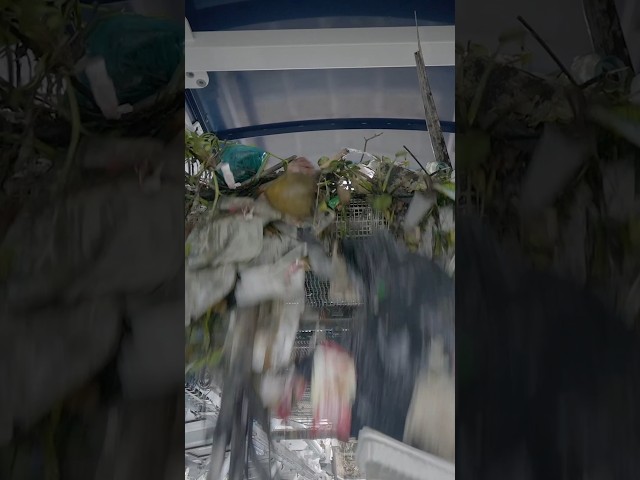
We've removed millions of kilograms of trash from rivers and oceans worldwide.
But what happens to it after collection? We do everything we can to address this issue. Learn more in the full video.

In our mission to eliminate plastic from the oceans, we collaborate with local partners to develop responsible waste management solutions tailored to specific environments. This approach not only addresses the waste but also allows us to create products that raise awareness about plastic pollution and fund cleanup efforts.
Our video covers various topics, including our first product made from ocean plastic, the Ocean Cleanup sunglasses, and case studies from locations like Los Angeles and Panama City. We also discuss how we transform river trash into valuable resources, such as the Coldplay LP. Stay updated by subscribing to our YouTube channel: YouTube. Learn more at The Ocean Cleanup.

Update from Mumbai 🇮🇳: Interceptors 026 and 027 are now operational in Malad and Trombay waterways, installed in collaboration with the Brihanmumbai Municipal Corporation, the Maharashtra Pollution Control Board, and Plastic Fischer.
As monsoon rains begin, we are optimizing waste interception processes with our partners and engaging local communities through United Way Mumbai. Special thanks to AT Capital Pte Ltd / Experion Developers Pte Ltd and Optiver Global for their support. Mumbai is part of our 30 Cities Program, aiming to cut plastic emissions from rivers into the ocean by one-third by the decade's end. Stay tuned for updates!

We collaborate with local organizations to address the unique challenges of each river and country, enhancing our impact within communities.
Through educational initiatives, our partners raise awareness of plastic pollution and promote sustainable, locally driven solutions.

In the coming six weeks, our team will test the Smart Steering Strategy, which integrates data from ocean models, GPS, and aerial drones, in the Pacific Ocean to enhance predictions of plastic accumulation.
By pinpointing high-density plastic hotspots, we aim to optimize our plastic removal efforts. Stay tuned for updates, insights, and behind-the-scenes moments from the expedition!
Environmental Scientist and Advocate
What EarthSayers stands for
Discover Diverse Voices on EarthSayers
Unlike algorithm-driven platforms that push you into a content bubble, we ensure you hear a variety of perspectives from scientists, activists, Indigenous leaders, business innovators, and everyday citizens working toward sustainability.
EarthSayers CINEMA
Watch, learn and lead—sustainability starts with you.
The Many Passions of Matteo Lane
Matteo Lane is a multifaceted artist—stand-up comedian, painter, singer, and Broadway performer. In this interview, he shares how these skills intertwine in his creative process, likening art to a tree that branches out in various directions.
We explore his role as Billy Flynn in Broadway’s Chicago, his journey from bar shows to international comedy tours, and the evolution of gay representation in comedy. Lane also discusses his artistic roots at the School of the Art Institute of Chicago, his admiration for Maria Callas, and his philosophy of focusing on the journey of creation rather than the end product.
Official website: pbs.org/americanmasters


