



Special Collections:
Plastic in Our Oceans
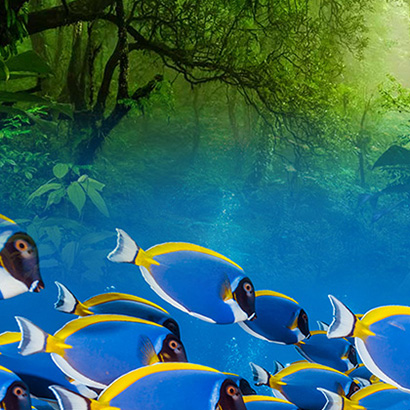


Addressing ocean plastic pollution involves a multi-faceted strategy. We prevent plastic from reaching the ocean by scaling river operations through our 30 Cities Program. Concurrently, we develop drone and AI technologies to efficiently detect plastic hotspots within the Great Pacific Garbage Patch, optimizing cleanup efforts.
Our work also includes researching discarded fishing gear to identify the most effective solutions. Additionally, once our Interceptors are operational, we clean legacy pollution from coastlines, restoring these environments and preventing stranded plastic from re-entering the ocean.

One year ago, our first Interceptor (022) launched in Panama's Río Abajo as part of the Siete Cuencas Project.
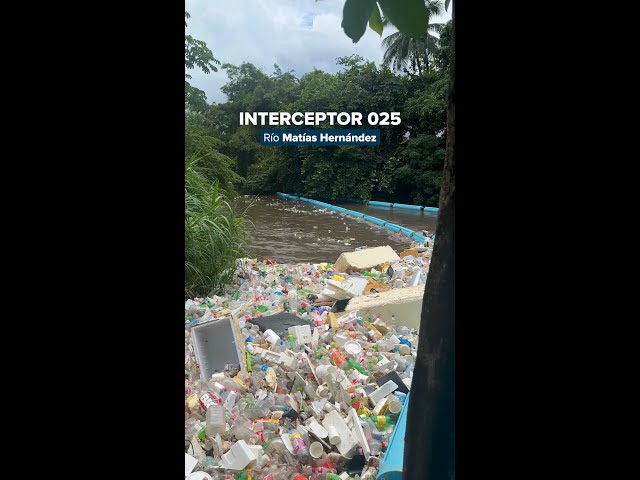
This year, we expanded operations to the Río Matías Hernández and Juan Díaz. Our efforts have prevented over 100,000 kg of trash from entering Panama Bay, significantly benefiting local communities and the environment.

Interceptor 016, situated in the Balmagie Gully, plays a crucial role in environmental protection.
This system effectively prevents trash from reaching Kingston Harbour and the Caribbean Sea, safeguarding these vital waterways.

Discover compelling stories and vital updates on ocean conservation efforts. By subscribing, you'll gain insight into the crucial work being done to protect our marine environments.
Stay informed and support the cause by visiting and subscribing to The Ocean Cleanup's official YouTube channel: The Ocean Cleanup YouTube.

In collaboration with our local partner @mareaverdepanama, we have deployed Interceptor 025 in Panama's Rio Matías Hernández. This effort aims to prevent more trash from reaching Panama Bay.
This marks the third of seven planned deployments in Panama City, integral to our Siete Cuencas project. Stay tuned for further progress updates.

Following the successful deployment of Interceptor 007 in LA's Ballona Creek, two additional Interceptors will be deployed in the Los Angeles and San Gabriel Rivers.
Together, these three Interceptors will address the 410 to 628 tons (820,000 to 1,384,503 lbs) of plastic that flows from the city to the ocean.

Interceptor 007 in Los Angeles' Ballona Creek will soon be joined by two more Interceptors in the Los Angeles and San Gabriel Rivers by 2028. This expansion aims to prevent 410-628 tons of plastic (820,000-1,384,503 lbs) from flowing from the city into the ocean. Los Angeles is a key part of our 30 Cities Program, which seeks to tackle one-third of all river plastic pollution globally by 2030.
Stay updated by subscribing to our [YouTube channel](https://bit.ly/371k8sN) and learn more at [The Ocean Cleanup website](https://www.theoceancleanup.com/). Follow us on [Facebook](https://www.facebook.com/TheOceanCleanup), [Instagram](https://www.instagram.com/theoceancleanup/), [TikTok](https://www.tiktok.com/@theoceancleanup), and [X](https://x.com/TheOceanCleanup).

Gary Bencheghib and his Sungai Watch team confront plastic pollution on Indonesia's dirtiest rivers, wading through waste daily to prevent it from reaching the ocean. In a crucial TEDx talk, Bencheghib stresses that once plastic enters the ocean, it's too late. Recycling alone is insufficient; systemic change in product manufacturing is vital. He argues we must stop treating rivers as garbage bins and instead see them as mirrors of global consumption.
This crisis is deeply personal for Bencheghib. Raised in Indonesia, he began organizing beach cleanups at age 14 with his siblings. What started as a family initiative quickly evolved into a lifelong mission to protect waterways from plastic waste. https://www.ted.com/tedx

Our team visited Venice Beach, Los Angeles, engaging with strangers to gather their insights on a specific topic.
The diverse range of opinions we encountered proved to be remarkably surprising, offering truly unexpected perspectives.
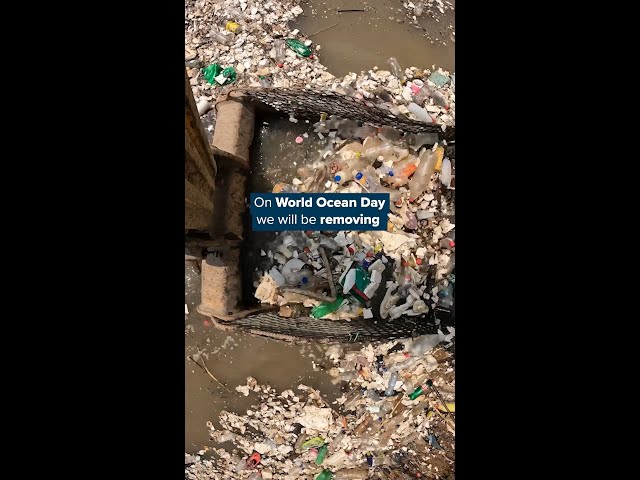

The ocean, Earth's largest ecosystem, is home to incredible biodiversity but also vast amounts of plastic pollution. This plastic accumulates in ocean gyres, most notably the North Pacific Gyre, which hosts the Great Pacific Garbage Patch (GPGP). Estimated to be twice the size of Texas and weighing 100,000 tons, the GPGP remains a mystery to many.
To assess public knowledge about the Great Pacific Garbage Patch, we interviewed strangers at Venice Beach, Los Angeles. Their surprising responses are featured in our video, revealing how much people truly know.
Stay updated by subscribing to our YouTube channel. Learn more and support us at The Ocean Cleanup. Follow us on Facebook, Instagram, TikTok, and X.

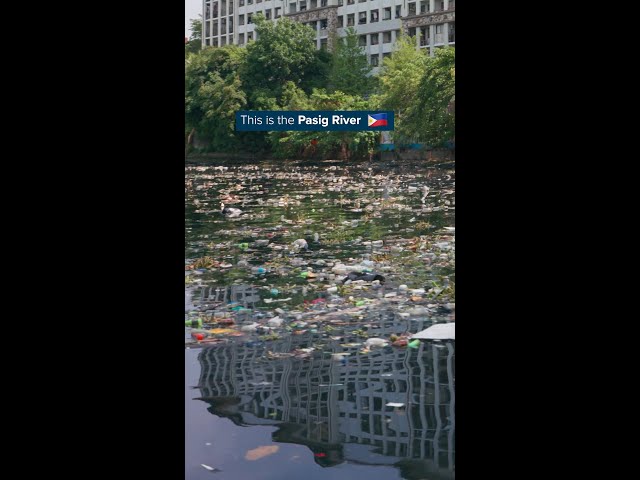

Footage recently captured from the Rio Las Vacas in Guatemala has drawn attention. This visual record, taken just last week, highlights the current state of this significant waterway.
The imagery provides a timely glimpse into the environmental conditions affecting the region. Such documentation is crucial for understanding the challenges and potential solutions for the Rio Las Vacas.


Beyond removing trash from rivers and oceans worldwide, we also conduct vital research. Plastic recovered from the Great Pacific Garbage Patch, for instance, exhibits numerous bite marks.
We are currently analyzing this debris to understand how different species interact with various types, colors, and shapes of plastic. This research will clarify the environmental impacts of ocean plastic pollution, its effects on marine inhabitants, and how animals contribute to fragmentation.
Stay tuned for our results!

We recently announced agreements with Los Angeles county and city leaders to expand our operations to the Los Angeles and San Gabriel Rivers.
Following the success of Interceptor 007 in Ballona Creek, this new project is expected to prevent 410–628 tons of plastic from entering the Pacific Ocean annually. Deployments are planned ahead of the LA28 Olympic Games.
Stay tuned for more progress.

Rivers are primary conduits, carrying plastic waste from land to the sea, where it inevitably impacts marine life. Our research highlights this issue, revealing that 76% of loggerhead turtles in the Indian Ocean have ingested plastic, largely transported via rivers.
To combat this, our 30 Cities Program aims to significantly reduce plastic inflow into the ocean from key urban areas. By 2030, we plan to stop up to one-third of this plastic pollution.
Environmental Scientist and Advocate
What EarthSayers stands for
Discover Diverse Voices on EarthSayers
Unlike algorithm-driven platforms that push you into a content bubble, we ensure you hear a variety of perspectives from scientists, activists, Indigenous leaders, business innovators, and everyday citizens working toward sustainability.
EarthSayers CINEMA
Watch, learn and lead—sustainability starts with you.
The Many Passions of Matteo Lane
Matteo Lane is a multifaceted artist—stand-up comedian, painter, singer, and Broadway performer. In this interview, he shares how these skills intertwine in his creative process, likening art to a tree that branches out in various directions.
We explore his role as Billy Flynn in Broadway’s Chicago, his journey from bar shows to international comedy tours, and the evolution of gay representation in comedy. Lane also discusses his artistic roots at the School of the Art Institute of Chicago, his admiration for Maria Callas, and his philosophy of focusing on the journey of creation rather than the end product.
Official website: pbs.org/americanmasters


