




Special Collections:
Life on Earth

Celebrate 20 years of Planet Earth by watching 10 incredible filming firsts, showcasing everything from the vampire squid from hell to snow leopards hunting markhor. Discover more about the series and its legacy on the [BBC Earth website](https://www.bbcearth.com/shows/planet-earth).
Welcome to BBC Earth, your source for 50 years of entertaining and thought-provoking natural history content. Explore dramatic, rare, and exclusive stories of the natural world. For the latest updates and more amazing videos, [subscribe here](http://bit.ly/BBCEarthSub) or sign up for our [newsletter](https://www.bbcearth.com/newsletter).

Welcome to BBC Earth, your destination for 50 years of captivating natural history. Explore the world's beauty, stories, and wonders through dramatic, rare, and exclusive content. Nature doesn't get more exciting than this.
Stay updated: subscribe here or sign up for our newsletter for exclusives here. Discover more: Best of BBC Earth, Best Animal Fights, Videos over 10 minutes, Planet Earth III, Frozen Planet II, and Blue Planet II in 4K.
This is a commercial page from BBC Studios. For service information and feedback, visit bbcworldwide.com/vod-feedback--contact-details.aspx.

A vast swarm of desert locusts emerges, devouring everything in its path. This dramatic natural event is part of the captivating content from BBC Earth, which celebrates 20 years of Planet Earth. Explore more about the show and other natural wonders at bbcearth.com/shows/planet-earth.
Subscribe to BBC Earth for 50 years of entertaining and thought-provoking natural history. Sign up for our newsletter at bbcearth.com/newsletter to stay updated and discover more content, including Planet Earth III and Blue Planet II. This is a commercial page from BBC Studios. For service information and feedback, visit bbcworldwide.com/vod-feedback--contact-details.aspx.

Amidst a shrouding sea fog, walruses sense danger. Has a polar bear met its match against an imposing wall of blubber and hide? Celebrate 20 years of Planet Earth and discover more at bbcearth.com/shows/planet-earth.
Welcome to BBC Earth, your destination for 50 years of dramatic, rare, and exclusive natural history content. Subscribe for amazing stories and natural wonder: Subscribe to BBC Earth. Stay updated with our newsletter: bbcearth.com/newsletter.

Watch two hours of magnificent natural drama, narrated by Sir David Attenborough. Witness captivating moments like crabs leaping from rock to rock and a brutal stallion mating fight unfold.
Welcome to BBC Earth, your source for 50 years of entertaining and thought-provoking natural history. Discover dramatic, rare, and exclusive content. Subscribe for more: http://bit.ly/BBCEarthSub. Sign up for our newsletter for the latest news and updates: https://www.bbcearth.com/newsletter.
This is a commercial page from BBC Studios. For service information and feedback, visit: http://bbcworldwide.com/vod-feedback--contact-details.aspx.

Watch an hour of stunning birds in 4K UHD, featuring everything from flamingo chicks escaping a frozen lake to a roadrunner racing for its life. BBC Earth offers 50 years of dramatic, rare, and exclusive natural history content, showcasing the world's stories, beauty, and natural wonder.
Subscribe to BBC Earth: http://bit.ly/BBCEarthSub. Sign up for our newsletter to receive the latest news, updates, and exclusives: https://www.bbcearth.com/newsletter.
This is a commercial page from BBC Studios. For service information and feedback, visit: http://bbcworldwide.com/vod-feedback--contact-details.aspx.

Witness one of Guyana's most elusive creatures: a rarely seen eagle. This clip, from "Expedition Guyana" (2008), captures a camera crew filming the country's most challenging bird to observe.
Welcome to BBC Earth, your source for 50 years of dramatic, rare, and exclusive natural history content. Explore more with playlists like Best of BBC Earth, Planet Earth III, and Frozen Planet II.
Subscribe for more: BBC Earth Sub. Sign up for our newsletter: BBC Earth Newsletter. (This is a commercial page from BBC Studios.)

British wildlife filmmaker Justine Evans is searching for giant anteaters in Guyana, enlisting a local cattle rancher who believes one roams the area. This quest for the elusive creature is featured in "Expedition Guyana" (2008).
Discover more captivating natural history content from BBC Earth, offering 50 years of dramatic, rare, and exclusive stories from our amazing world. Subscribe to BBC Earth and sign up for our newsletter for updates and to explore a vast library of wildlife documentaries.
For service information and feedback, visit bbcworldwide.com/vod-feedback--contact-details.aspx.

Watch three hours of incredible wildlife, narrated by Sir David Attenborough, featuring zebra fights and sex-shifting fish. BBC Earth offers 50 years of dramatic, rare, and exclusive natural history content, celebrating the world's beauty and wonder.
Subscribe for more: http://bit.ly/BBCEarthSub. Get newsletter updates: https://www.bbcearth.com/newsletter. Explore more content: 'Best of BBC Earth' https://bit.ly/BestOfBBCEarth, 'Best Animal Fights' https://bit.ly/BestAnimalFights, 'Videos over 10 minutes' https://bit.ly/3SHJCEJ, 'Planet Earth III' https://bit.ly/PlanetEarthIIIPlaylist, 'Frozen Planet II' https://bit.ly/FrozenPlanetIIPlaylist, 'Blue Planet II in 4K' https://bit.ly/BluePlanetII4kPlaylist. Commercial page from BBC Studios. For feedback: http://bbcworldwide.com/vod-feedback--contact-details.aspx.

The Center for Biological Diversity is again under attack. Far-right congressmen on the House Resources Committee have launched a baseless "investigation" against us for protecting the Arctic and polar bears from an oil conglomerate. Our Executive Director, Kierán, denounced this as a weaponization of government power, a smear tactic by oil-funded politicians to silence environmental advocates.
This "investigation" is a politically motivated witch hunt, devoid of legal merit and making absurd accusations. To combat this antidemocratic power-mongering and defend our critical work, we've established the Freedom Defense Fund. Your support is crucial to our survival against these persistent threats. Please donate today, or consider a monthly contribution to sustain our defense.

Witness breathtaking Yellowstone moments, from a lone wolf's quest for love to a forest's regeneration after devastating fires. BBC Earth presents 50 years of dramatic, rare, and exclusive natural history, revealing the world's beauty and wonder.
Subscribe to BBC Earth for more captivating wildlife documentaries and updates: [http://bit.ly/BBCEarthSub](http://bit.ly/BBCEarthSub). Sign up for our newsletter at [https://www.bbcearth.com/newsletter](https://www.bbcearth.com/newsletter) to receive the latest news and exclusives.
This is a commercial page from BBC Studios. For service information and feedback, visit [http://bbcworldwide.com/vod-feedback--contact-details.aspx](http://bbcworldwide.com/vod-feedback--contact-details.aspx).

Welcome to BBC Earth, your destination for 50 years of captivating natural history content. Explore dramatic, rare, and exclusive stories that showcase the world's incredible beauty and natural wonder.
Subscribe for more: http://bit.ly/BBCEarthSub. Sign up for our newsletter: https://www.bbcearth.com/newsletter. Discover series like Planet Earth III https://bit.ly/PlanetEarthIIIPlaylist, Frozen Planet II https://bit.ly/FrozenPlanetIIPlaylist, and Blue Planet II in 4K https://bit.ly/BluePlanetII4kPlaylist, alongside our Best of BBC Earth collection https://bit.ly/BestOfBBCEarth.
This is a commercial page from BBC Studios. For service information and feedback, please visit: http://bbcworldwide.com/vod-feedback--contact-details.aspx.

Welcome to BBC Earth, your home for 50 years of captivating natural history content. Explore dramatic, rare, and exclusive stories from our amazing planet. Subscribe for more, and sign up for our newsletter for the latest updates.
Dive deeper into our collection: watch the Best of BBC Earth, thrilling Animal Fights, or extended videos over 10 minutes. Explore full playlists like Planet Earth III, Frozen Planet II, and Blue Planet II in 4K.
This is a commercial page from BBC Studios. For service information and feedback, please visit our contact details page.

Witness breathtaking moments in nature, from a stealthy snow leopard hunting a markhor to a devoted mother cheetah guarding her cubs. BBC Earth brings you 50 years of dramatic, rare, and exclusive natural history content, showcasing the world's amazing stories and wonders.
Subscribe for more captivating wildlife content: BBCEarthSub. Stay updated with the latest news and exclusives by signing up for our newsletter: bbcearth.com/newsletter.
This is a commercial page from BBC Studios. For service information and feedback, visit: bbcworldwide.com/vod-feedback-contact-details.aspx.

Welcome to BBC Earth! Explore 50 years of captivating natural history content, revealing the world's stories, beauty, and natural wonder. Discover dramatic, rare, and exclusive nature programming.
Subscribe for more incredible content http://bit.ly/BBCEarthSub and sign up for our newsletter https://www.bbcearth.com/newsletter. Watch the Best of BBC Earth https://bit.ly/BestOfBBCEarth, Planet Earth III https://bit.ly/PlanetEarthIIIPlaylist, or Frozen Planet II https://bit.ly/FrozenPlanetIIPlaylist.
This is a commercial page from BBC Studios. For service information and feedback, visit: http://bbcworldwide.com/vod-feedback--contact-details.aspx.

Tom Mustill joins anatomist Joy Reidenberg to investigate a dead fin whale, seeking to determine its cause of death. This clip is from 'Natural World: Humpback Whales - A Detective Story' (2019).
Welcome to BBC Earth, home to 50 years of dramatic and exclusive natural history content. For more wildlife documentaries, subscribe to BBC Earth: http://bit.ly/BBCEarthSub. Sign up for our newsletter: https://www.bbcearth.com/newsletter. This is a commercial page from BBC Studios. For service information and feedback, visit: http://bbcworldwide.com/vod-feedback--contact-details.aspx.
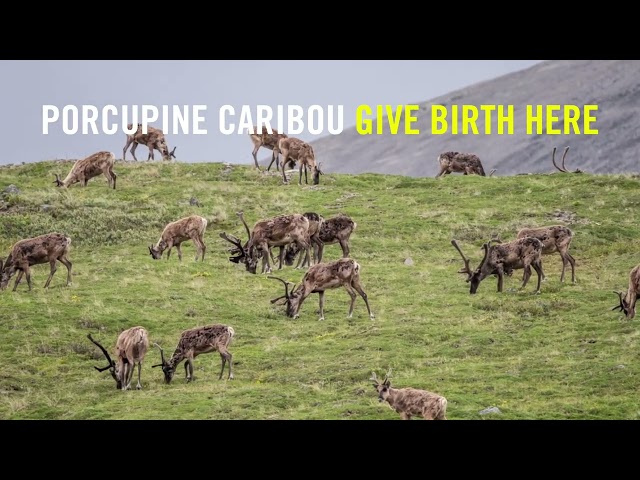
The Trump administration is initiating oil and gas lease sales in the Arctic National Wildlife Refuge's Coastal Plain, inviting companies to identify drilling sites. This 1.56-million-acre area is the biological heart of the Arctic Refuge, vital for the Porcupine caribou herd, migratory birds, and polar bears.
Industrializing this irreplaceable sanctuary will harm wildlife and accelerate climate change. The Arctic is already warming four times faster than the rest of the planet. Drilling will displace animals, endanger polar bear families, and pollute air and water, fueling a climate disaster. Past lease sales have failed due to public demand for protection over short-term corporate profit. Stand up for the Coastal Plain.

A vet examines an otter to prevent overheating, exploring how otters insulate themselves through meticulous grooming. This clip is from 'Natural World: Supercharged Otters' (2017).
Discover more captivating natural history content from BBC Earth. Subscribe for updates, or sign up for our newsletter to explore a vast library of dramatic and exclusive nature documentaries. For service information, visit BBC Worldwide.

Witness dramatic Yellowstone moments, from otter-eagle clashes to nature's master builders. BBC Earth brings you 50 years of captivating natural history, showcasing the world's beauty and wonder through dramatic, rare, and exclusive content.
Subscribe to BBC Earth for more incredible wildlife documentaries. Explore playlists like Best of BBC Earth, Planet Earth III, and Frozen Planet II. Sign up for our newsletter for the latest updates. These clips are from 'Great American Thaw' (2017).
This is a commercial page from BBC Studios. For service information and feedback, visit BBC Studios Feedback.

Witness the animal kingdom's greatest fights, from stingrays ambushing crabs to lionesses hunting warthogs. BBC Earth offers 50 years of dramatic, rare, and exclusive natural history content, exploring the world's beauty and wonder.
Subscribe for captivating wildlife documentaries and series like *Planet Earth III* and *Frozen Planet II*: http://bit.ly/BBCEarthSub. Sign up for our newsletter for updates: https://www.bbcearth.com/newsletter.
This commercial page from BBC Studios provides service information and feedback here: http://bbcworldwide.com/vod-feedback--contact-details.aspx.
Environmental Scientist and Advocate
What EarthSayers stands for
Discover Diverse Voices on EarthSayers
Unlike algorithm-driven platforms that push you into a content bubble, we ensure you hear a variety of perspectives from scientists, activists, Indigenous leaders, business innovators, and everyday citizens working toward sustainability.
EarthSayers CINEMA
Watch, learn and lead—sustainability starts with you.
The Many Passions of Matteo Lane
Matteo Lane is a multifaceted artist—stand-up comedian, painter, singer, and Broadway performer. In this interview, he shares how these skills intertwine in his creative process, likening art to a tree that branches out in various directions.
We explore his role as Billy Flynn in Broadway’s Chicago, his journey from bar shows to international comedy tours, and the evolution of gay representation in comedy. Lane also discusses his artistic roots at the School of the Art Institute of Chicago, his admiration for Maria Callas, and his philosophy of focusing on the journey of creation rather than the end product.
Official website: pbs.org/americanmasters


