




Special Collections:
Life on Earth

Witness a dramatic close-up: will a snow leopard capture its markhor prey? This intense moment celebrates 20 years of Planet Earth, featuring David Attenborough.
For more groundbreaking natural history content and to celebrate two decades of Planet Earth, visit: bbcearth.com/shows/planet-earth. Subscribe to BBC Earth for captivating stories and natural wonders: bit.ly/BBCEarthSub, or sign up for our newsletter: bbcearth.com/newsletter. Discover 50 years of dramatic, rare, and exclusive content.

Watch extraordinary predators, from a land-dwelling octopus to a spider with three superpowers, as they hunt their prey. Welcome to BBC Earth, your source for 50 years of dramatic, rare, and exclusive natural history content.
Subscribe for more incredible wildlife documentaries and 4K videos: BBCEarthSub. Sign up for our newsletter: BBC Earth Newsletter. Explore our best content, including Planet Earth III, Frozen Planet II, and Blue Planet II in 4K. For service information and feedback, visit: BBC Worldwide Feedback.

Welcome to BBC Earth, your home for 50 years of captivating natural history. Discover dramatic, rare, and exclusive stories showcasing the world's beauty and wonder.
Celebrate 20 years of Planet Earth by visiting the official webpage. Subscribe for more incredible content and sign up for our newsletter to receive the latest updates and exclusives. Explore our diverse playlists, including Best of BBC Earth and Planet Earth III.
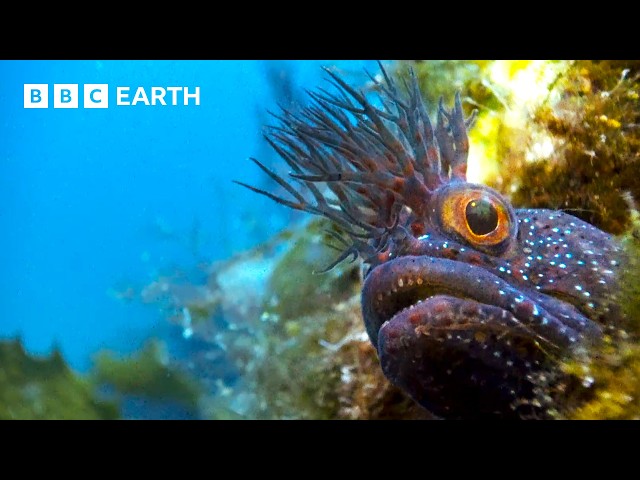
Join Sir David Attenborough as he narrates extraordinary scenes from the natural world, from deep-sea creatures to struggling frog parents. BBC Earth presents 50 years of dramatic, rare, and exclusive natural history content, revealing the planet's amazing stories and wonders.
Subscribe to BBC Earth: http://bit.ly/BBCEarthSub. Sign up for our newsletter: https://www.bbcearth.com/newsletter. Explore more captivating documentaries, including *Planet Earth III* and *Blue Planet II in 4K*. This is a commercial page from BBC Studios; for feedback, visit http://bbcworldwide.com/vod-feedback--contact-details.aspx.

The Tongass National Forest, a vast old-growth rainforest and home to Alaskan black bears, is a crucial natural defense against the climate crisis. The Center for Biological Diversity, a 501c3 nonprofit, works to protect such vital ecosystems and secure a future for all species, recognizing that human welfare is deeply linked to nature's diversity.
Through science, law, and creative media, we focus on protecting the lands, waters, and climate species need to survive, ensuring future generations inherit a world where the wild is still alive. Connect with us: [Website](https://www.biologicaldiversity.org), [Twitter](https://twitter.com/CenterForBioDiv), [Facebook](https://www.facebook.com/CenterforBioDiv), [Instagram](https://www.instagram.com/centerforbiodiv), [TikTok](https://www.tiktok.com/@centerforbiodiv), [Take Action](https://www.biologicaldiversity.org/action/alerts). For inquiries, email [center@biologicaldiversity.org](mailto:center@biologicaldiversity.org).
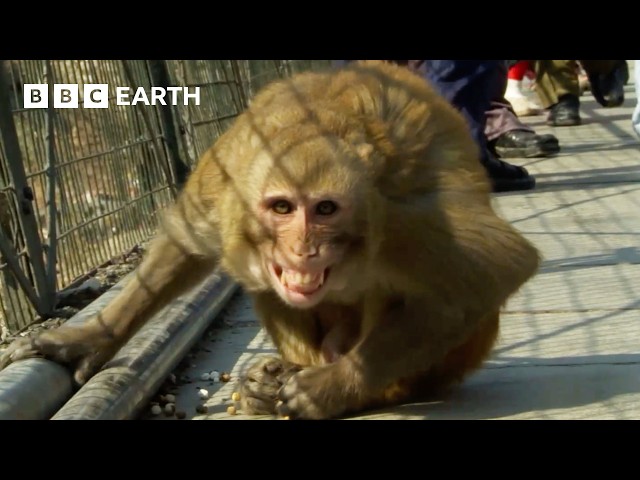
Watch monkeys cause mayhem, from bartering to battling dogs in Japan. Dive into the world of wildlife and natural wonder with BBC Earth.
Subscribe for 50 years of dramatic, rare, and exclusive natural history content, including series like Planet Earth III and Blue Planet II in 4K. Explore more captivating videos, animal fights, and extended content.
Sign up for our newsletter for updates. This is a commercial page from BBC Studios; provide feedback here.
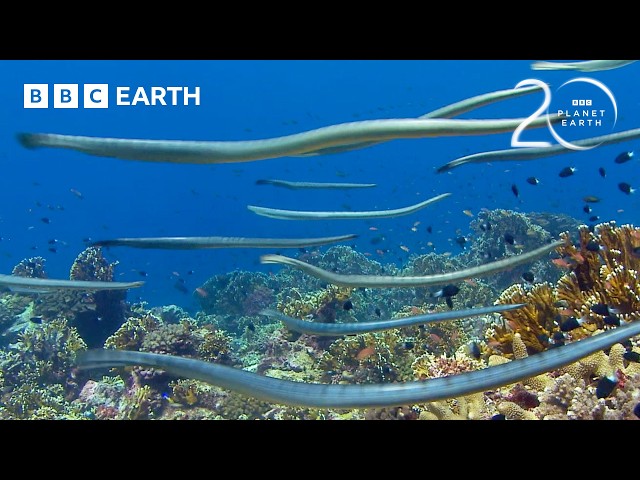
Witness highly venomous sea snakes hunting in groups of up to 30 on an Indonesian coral reef, a glimpse into the natural wonders found on BBC Earth. For 20 years, Planet Earth has delivered dramatic, rare, and exclusive natural history content.
Celebrate this milestone and explore 50 years of captivating stories. Find out more about Planet Earth's anniversary on the BBC Earth website, subscribe to BBC Earth for more amazing content, and sign up for our newsletter for the latest updates.

Explore the isolated South Pacific, encountering unique wildlife like cheeky albatrosses and flightless parrots. Discover the extraordinary journeys taken to reach this remote region and its incredible natural wonders.
Subscribe to BBC Earth for 50 years of dramatic, rare, and exclusive natural history content: http://bit.ly/BBCEarthSub. Get the latest news and updates by signing up for our newsletter: https://www.bbcearth.com/newsletter. For service information or feedback, visit our contact page: http://bbcworldwide.com/vod-feedback--contact-details.aspx.

Join our online information session to learn about the Ray of Hope Accelerator, which supports nature-inspired startups scaling solutions to the world’s most pressing environmental challenges. We accelerate ten high-impact global startups annually, offering $15,000 in non-dilutive funding and over $50,000 worth of in-kind services, including mentoring, investor introductions, and a Nature Retreat. Our program prioritizes founder growth and community, boasting over 60 successful companies.
Applications for the 2025 Cohort open March 2nd and close April 24th. For eligibility, selection criteria, and FAQs, visit our How to Apply page. Explore the Ray of Hope Accelerator and learn more about The Biomimicry Institute.

Even successful insects like bullet ants face challenges. Celebrate 20 years of Planet Earth and delve into the natural world's wonders. Find out more on the official Planet Earth webpage.
Welcome to BBC Earth, your home for 50 years of dramatic, rare, and exclusive natural history content. Subscribe via BBC Earth Subscriptions and sign up for our newsletter for updates. Explore more: Best of BBC Earth, Best Animal Fights, Videos over 10 minutes, Planet Earth III, Frozen Planet II, and Blue Planet II in 4K. This is a commercial page from BBC Studios. For service information and feedback, visit our contact details page.

Enjoy stunning wildlife moments from Yellowstone, capturing everything from master builders of the wild to bison preparing for spring. Immerse yourself in the natural beauty and drama of these captivating scenes.
BBC Earth offers 50 years of entertaining and thought-provoking natural history content, showcasing the world's amazing stories and wonders. [Subscribe](http://bit.ly/BBCEarthSub) for exclusive wildlife documentaries and explore our extensive collection, including series like [Planet Earth III](https://bit.ly/PlanetEarthIIIPlaylist) and [Blue Planet II](https://bit.ly/BluePlanetII4kPlaylist). For the latest updates, sign up for our [newsletter](https://www.bbcearth.com/newsletter).
This is a commercial page from BBC Studios. For service information or feedback, visit our [contact details page](http://bbcworldwide.com/vod-feedback--contact-details.aspx).
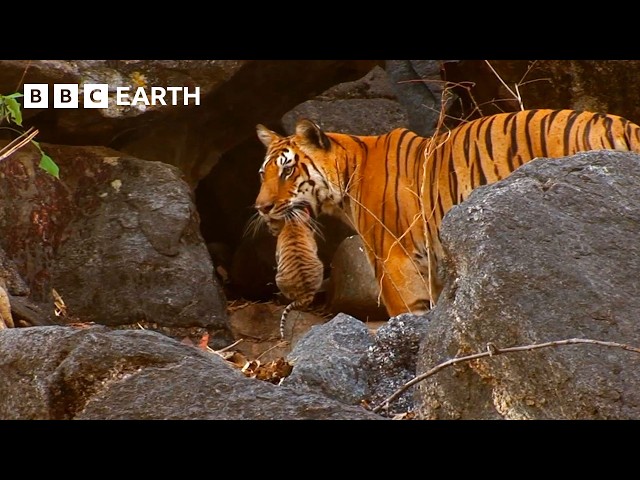
Discover the amazing world of animal families striving for survival with BBC Earth. For 50 years, we've brought you dramatic, rare, and exclusive natural history content, showcasing the planet's stories, beauty, and natural wonder.
Subscribe for more captivating documentaries: http://bit.ly/BBCEarthSub. Sign up for our newsletter to receive the latest updates and exclusives: https://www.bbcearth.com/newsletter. Explore our extensive library of natural history content.
This is a commercial page from BBC Studios. For service information and feedback: http://bbcworldwide.com/vod-feedback--contact-details.aspx

A nautilus spends its days 400 metres deep, ascending to reefs at night to hunt for food.
Celebrate 20 years of Planet Earth, featuring David Attenborough, and explore decades of captivating natural history content from BBC Earth. Discover playlists like Planet Earth III and Blue Planet II in 4K. Find out more at bbcearth.com/shows/planet-earth. Subscribe for more at bit.ly/BBCEarthSub or sign up for our newsletter at bbcearth.com/newsletter.
This is a commercial page from BBC Studios. For service information and feedback, visit bbcworldwide.com/vod-feedback--contact-details.aspx.

Celebrate 20 years of Planet Earth! Explore the series and discover more about this milestone at bbcearth.com/shows/planet-earth.
Welcome to BBC Earth, your home for 50 years of entertaining and thought-provoking natural history content. Subscribe for more amazing stories and natural wonders at bit.ly/BBCEarthSub, or sign up for our newsletter at bbcearth.com/newsletter to stay updated on new shows and exclusives.

Celebrate 20 years of Planet Earth with a compilation featuring iconic moments, breathtaking scenes, and incredible animal behaviors caught on camera for the first time. Explore more details on the official webpage: bbcearth.com/shows/planet-earth.
Welcome to BBC Earth, your home for 50 years of entertaining and thought-provoking natural history content. Subscribe for dramatic, rare, and exclusive nature stories: bit.ly/BBCEarthSub. Sign up for our newsletter: bbcearth.com/newsletter.
Discover more captivating series like Planet Earth III bit.ly/PlanetEarthIIIPlaylist, Frozen Planet II bit.ly/FrozenPlanetIIPlaylist, and Blue Planet II in 4K bit.ly/BluePlanetII4kPlaylist.

Discover the ocean's most bizarre creatures, including the 'vampire squid from hell.' Celebrate 20 years of Planet Earth and explore its wonders. Find out more at bbcearth.com/shows/planet-earth.
BBC Earth offers 50 years of dramatic, rare, and exclusive natural history content. Subscribe for more amazing stories: bit.ly/BBCEarthSub. Sign up for our newsletter to receive the latest news and exclusives: bbcearth.com/newsletter.
This is a commercial page from BBC Studios. For service information and feedback, visit bbcworldwide.com/vod-feedback--contact-details.aspx.

Experience Africa's incredible wildlife, from dominant giraffes to struggling hatchlings. Discover 50 years of entertaining and thought-provoking natural history content from BBC Earth.
[Subscribe](http://bit.ly/BBCEarthSub) for dramatic, rare, and exclusive stories of our amazing world. Sign up for the latest news, updates, and exclusives via our [newsletter](https://www.bbcearth.com/newsletter).
This is a commercial page from BBC Studios. For service information and feedback, visit [here](http://bbcworldwide.com/vod-feedback--contact-details.aspx).

The Trump administration is threatening Big Bend National Park, a national heritage site, by planning to wall off river access points. This 517-mile sector, a vital part of the U.S.-Mexico border, faces imminent construction.
Such a wall would cut off wildlife from the Rio Grande, their sole water source, destroy cultural sites, and lock the river behind steel. This move reflects a disturbing disregard for public lands, seen as political vandalism rather than security.
Join the fight to protect Big Bend. Learn more at www.biologicaldiversity.org/campaigns/border_wall/. Contact your Congressional representatives at 202-224-3121 and urge them to strip federal funding for border wall construction in the region.

The Trump administration is pushing to construct a border wall through Big Bend National Park, a crown jewel of America's national heritage. These plans would wall off critical river access points, isolating wildlife from their only water source, the Rio Grande. Such construction would also destroy cultural sites and lock the river behind a steel barrier, an act of political vandalism, not security.
We have been fighting border wall construction for years. Learn more about our work: www.biologicaldiversity.org/campaigns/border_wall/. Join the fight: call your Congressional representatives at 202-224-3121. Urge them to protect Big Bend by stripping federal funding for border walls in the region.

Experience a day with a camera crew in the Okavango Delta, capturing incredible wildlife and natural wonders. BBC Earth offers 50 years of dramatic, rare, and exclusive natural history content, bringing the world's beauty and stories to life.
Subscribe to BBC Earth for updates and exclusives: http://bit.ly/BBCEarthSub. Sign up for our newsletter: https://www.bbcearth.com/newsletter. Explore more captivating series like *Planet Earth III* and *Frozen Planet II*.
This is a commercial page from BBC Studios. For service information and feedback, visit: http://bbcworldwide.com/vod-feedback--contact-details.aspx.
Environmental Scientist and Advocate
What EarthSayers stands for
Discover Diverse Voices on EarthSayers
Unlike algorithm-driven platforms that push you into a content bubble, we ensure you hear a variety of perspectives from scientists, activists, Indigenous leaders, business innovators, and everyday citizens working toward sustainability.
EarthSayers CINEMA
Watch, learn and lead—sustainability starts with you.
The Many Passions of Matteo Lane
Matteo Lane is a multifaceted artist—stand-up comedian, painter, singer, and Broadway performer. In this interview, he shares how these skills intertwine in his creative process, likening art to a tree that branches out in various directions.
We explore his role as Billy Flynn in Broadway’s Chicago, his journey from bar shows to international comedy tours, and the evolution of gay representation in comedy. Lane also discusses his artistic roots at the School of the Art Institute of Chicago, his admiration for Maria Callas, and his philosophy of focusing on the journey of creation rather than the end product.
Official website: pbs.org/americanmasters


