




Special Collections:
Life on Earth

Robin Wall Kimmerer emphasizes the transformative power of stories to shift our worldview. She suggests living "as if the world is a gift for which I need to be grateful, for which I need to reciprocate, for whom I am accountable," believing that a changed narrative can align our behaviors with nature.
Kimmerer joins AskNature to discuss cultural biomimicry, blending Western science with traditional ecological knowledge to navigate climate uncertainty. She also champions Plant Baby Plant, a grassroots movement encouraging people to "Raise a garden, and raise a ruckus!" Discover more at plantbabyplant.com.
This episode is hosted by Amanda Sturgeon and Andrew Howley, and is a project of The Biomimicry Institute.

Experience gripping wildlife moments in stunning 4K video, from a mother protecting her cubs to bull elephant seals battling intruders. Dive into the world of dramatic, rare, and thought-provoking natural history content.
Welcome to BBC Earth, your home for 50 years of natural wonder. Subscribe for more incredible wildlife documentaries and sign up for our newsletter to receive the latest updates and exclusives.
Explore more captivating content, including Best of BBC Earth and Planet Earth III. For service information and feedback, visit our commercial page.

A vulnerable lemur family navigates perilous peaks. Welcome to BBC Earth, your source for 50 years of entertaining and thought-provoking natural history content, showcasing the world's amazing stories and natural wonders.
Subscribe to BBC Earth for dramatic, rare, and exclusive nature content: http://bit.ly/BBCEarthSub. Stay updated with our newsletter for the latest news and exclusives: https://www.bbcearth.com/newsletter. Explore more captivating series like Planet Earth III and Blue Planet II.
This is a commercial page from BBC Studios. For service information and feedback, visit: http://bbcworldwide.com/vod-feedback--contact-details.aspx.
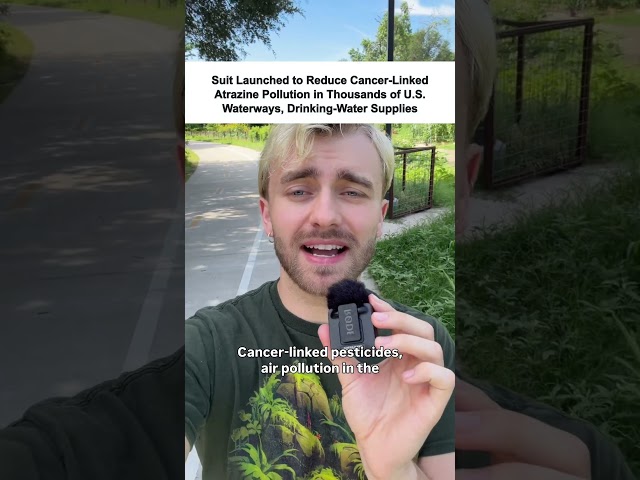
This week's update features significant legal actions concerning horseshoe crabs, coral reefs, cancer-linked pesticides, and air pollution in the Everglades.
Every week, the Center actively engages in courtrooms, agencies, and communities nationwide. We champion wildlife, clean water, public health, and wild places, with these cases representing just a fraction of our ongoing efforts.
Watch our full update and subscribe for the complete weekly environmental briefing.

M-44 "cyanide bombs," spring-loaded devices that lure and poison wildlife, are back. These indiscriminate devices cause agonizing deaths for foxes, coyotes, and birds, and have also killed pets and injured children. In 2024 alone, they killed over 4,600 animals.
In 2023, after a decade of advocacy, the U.S. Bureau of Land Management banned M-44s on its lands. However, the agency has now quietly reversed this ban under the Trump administration.
We successfully fought to ban them before and will do so again. Your help is crucial.

Madagascan chameleons are wonderfully adapted to life in the trees, but rival males sometimes clash. Witness these captivating wildlife moments and more from BBC Earth.
Explore 50 years of entertaining and thought-provoking natural history content, featuring dramatic, rare, and exclusive stories, often narrated by David Attenborough. Discover the world's natural wonders through our extensive collection.
Subscribe for the latest updates and exclusives: BBC Earth Sub. Find more videos, including "Best of BBC Earth" here and "Planet Earth III" here. For service information and feedback, visit our contact page.

The Center’s Laiken Jordahl recently discussed the looming threat of a border wall through Big Bend National Park on NPR’s Studio 1A. The Department of Homeland Security (DHS) has issued the largest wall construction contract in American history for this region.
A wall would transform this remote park into an industrial zone, severing wildlife from vital water sources and blocking public access to the Rio Grande, effectively ending river recreation.
We've been on the front lines, suing DHS last month to stop construction in Big Bend. We are committed to its permanent protection. Please share this message to raise awareness and support our ongoing efforts.

Witness the wild's most tense moments as rams fiercely compete for mates and snow leopards hunt for prey.
Explore the amazing stories, beauty, and natural wonders of our planet with BBC Earth. We offer 50 years of entertaining and thought-provoking natural history content, featuring dramatic, rare, and exclusive wildlife encounters.
Subscribe to BBC Earth for more captivating content: http://bit.ly/BBCEarthSub. Sign up for our newsletter: https://www.bbcearth.com/newsletter. For service information and feedback, visit: http://bbcworldwide.com/vod-feedback--contact-details.aspx.

The rare and elusive Amur leopard faces severe challenges during winter, struggling to find cover and prey in the harsh forest environment.
Discover 50 years of dramatic and exclusive natural history content from BBC Earth. Subscribe for updates via BBC Earth Sub and sign up for our newsletter at bbcearth.com/newsletter. Explore captivating series like Planet Earth III and Frozen Planet II. This is a commercial page from BBC Studios; for service information and feedback, visit bbcworldwide.com/vod-feedback.
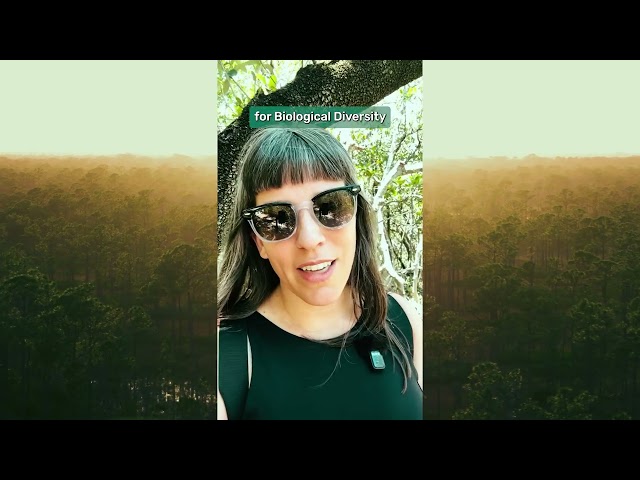
Florida panthers, with likely fewer than 200 remaining, face critical habitat loss in southwest Florida. Development confines them to shrinking pockets, forcing dangerous crossings and threatening their survival.
Now, another large-scale residential and commercial project threatens to eliminate nearly 5,000 more acres. This will inevitably lead to increased roads, vehicle strikes, and deadly conflict over their limited space.
The Center for Biological Diversity and partners are challenging federal approvals in court to halt this destruction. Help support their vital fight to protect Florida panthers before it's too late.

Environmental and legal battles persist, with the Trump administration approving continued atrazine use and reviving cyanide "bombs" on public lands. New border wall contracts also threaten Big Bend, posing significant risks to wildlife and natural habitats.
Despite these challenges, resistance is strong. New lawsuits protect marine wildlife, wolf recovery grows in California, and efforts defend grizzlies and endangered sea turtles. These ongoing actions are shaping the future of conservation. Follow for weekly updates and take action against M-44 cyanide bombs via our bio link.

Federal logging plans threaten ancient trees in Alaska’s Tongass rainforest. The U.S. Forest Service proposes clear-cutting nearly 1,655 acres of old-growth habitat, vital for species like Alexander Archipelago wolves, Pacific salmon, and Queen Charlotte goshawks.
These centuries-old forests also act as a crucial natural buffer against climate change, storing vast amounts of carbon. Destroying them would release this carbon and eliminate a key environmental defense. Urge the Forest Service to abandon this destructive proposal and protect these irreplaceable trees.

Large tree frogs spend most of their lives in high canopies, descending only to breed. Welcome to BBC Earth, your destination for 50 years of entertaining and thought-provoking natural history content, showcasing the world's beauty and natural wonder.
Celebrate 20 years of Planet Earth! Discover more at [https://www.bbcearth.com/shows/planet-earth](https://www.bbcearth.com/shows/planet-earth). Subscribe ([http://bit.ly/BBCEarthSub](http://bit.ly/BBCEarthSub)) and sign up for our newsletter ([https://www.bbcearth.com/newsletter](https://www.bbcearth.com/newsletter)) for the latest news and exclusives. Explore diverse playlists, including Best of BBC Earth [https://bit.ly/BestOfBBCEarth](https://bit.ly/BestOfBBCEarth) and Planet Earth III [https://bit.ly/PlanetEarthIIIPlaylist](https://bit.ly/PlanetEarthIIIPlaylist).
This is a commercial page from BBC Studios. For service information and feedback, visit [http://bbcworldwide.com/vod-feedback--contact-details.aspx](http://bbcworldwide.com/vod-feedback--contact-details.aspx).

Join Sir David Attenborough for three hours of captivating wildlife moments, from deep-ocean life to amazing clownfish teamwork. BBC Earth presents 50 years of dramatic, rare, and exclusive natural history content, showcasing the world's beauty and wonder.
Subscribe to our channel for more incredible wildlife documentaries: http://bit.ly/BBCEarthSub. Sign up for the latest news and exclusives: https://www.bbcearth.com/newsletter. Explore more content, including Planet Earth III and Blue Planet II in 4K.

An Alaska Superior Court ruling permits the state to kill an unlimited number of black and brown bears across 40,000 square miles of southwest Alaska this summer. The state claims this "bear control program" will boost a struggling caribou herd, but there is no scientific evidence to support this assertion.
Cooper Freeman, Alaska director at the Center for Biological Diversity, expressed concern about the "unlawful plan's irreversible consequences" and the lack of scientific basis. He emphasized the need to protect wildlife based on science, not "disgraceful waste of the state’s limited resources."
The Center for Biological Diversity and Alaska Wildlife Alliance are collaborating to stop this program. Support their efforts in this critical fight.

The Alaska Department of Fish and Game plans to kill bears to save the struggling Mulchatna caribou herd, which has plummeted from 200,000 to 16,000. However, scientists and conservation groups, including the Center for Biological Diversity, contend this program lacks scientific support. Courts have already ruled against the initiative.
Independent experts identify disease and food scarcity, exacerbated by climate change, as the primary drivers of the caribou's decline, not bear predation. They assert that killing bears will not achieve long-term recovery. Wildlife management should prioritize science, sustainability, and ecosystem protection over scapegoating.

Witness incredible moments of bear species hunting, mating, and surviving across forests and the Arctic. BBC Earth brings you dramatic, rare, and exclusive natural history content, drawing from 50 years of captivating stories about our amazing world.
Subscribe for more wildlife adventures: http://bit.ly/BBCEarthSub. Sign up for our newsletter at bbcearth.com/newsletter for the latest updates. Explore more content, including the Best of BBC Earth: https://bit.ly/BestOfBBCEarth.
This is a commercial page from BBC Studios. For service information and feedback, visit bbcworldwide.com/vod-feedback--contact-details.aspx.

Witness rare footage of a pride of 30 lions taking down a young elephant. This incredible event marks 20 years of Planet Earth, a milestone you can celebrate by exploring more on the official webpage: bbcearth.com/shows/planet-earth.
Discover 50 years of captivating natural history content from BBC Earth. Subscribe for more amazing stories and sign up for our newsletter to receive the latest updates and exclusives: Subscribe | Newsletter.

Thermal imaging reveals how red kangaroos survive Australia's extreme heat by regulating their body temperature, even under the midday sun.
Celebrate 20 years of Planet Earth! Visit the webpage to explore 50 years of dramatic natural history content, beauty, and wonder from BBC Earth.
Subscribe to BBC Earth for more amazing stories, and sign up for our newsletter. Discover a world of natural wonder, including shows like Planet Earth III and Blue Planet II in 4K.

For us, every day is Endangered Species Day. The extinction crisis threatens countless species, from whales to wildflowers. For 37 years, the Center for Biological Diversity has fought on the front lines, securing protections for hundreds of imperiled species and over 700 million acres of habitat. We believe every living thing matters.
Our work has never been more urgent. Hope lies in collective action; when people unite for the wild, we win. We are committed to ensuring endangered species not only survive but thrive, protected for generations to come.
Environmental Scientist and Advocate
What EarthSayers stands for
Discover Diverse Voices on EarthSayers
Unlike algorithm-driven platforms that push you into a content bubble, we ensure you hear a variety of perspectives from scientists, activists, Indigenous leaders, business innovators, and everyday citizens working toward sustainability.
EarthSayers CINEMA
Watch, learn and lead—sustainability starts with you.
The Many Passions of Matteo Lane
Matteo Lane is a multifaceted artist—stand-up comedian, painter, singer, and Broadway performer. In this interview, he shares how these skills intertwine in his creative process, likening art to a tree that branches out in various directions.
We explore his role as Billy Flynn in Broadway’s Chicago, his journey from bar shows to international comedy tours, and the evolution of gay representation in comedy. Lane also discusses his artistic roots at the School of the Art Institute of Chicago, his admiration for Maria Callas, and his philosophy of focusing on the journey of creation rather than the end product.
Official website: pbs.org/americanmasters


