




Special Collections:
Life on Earth
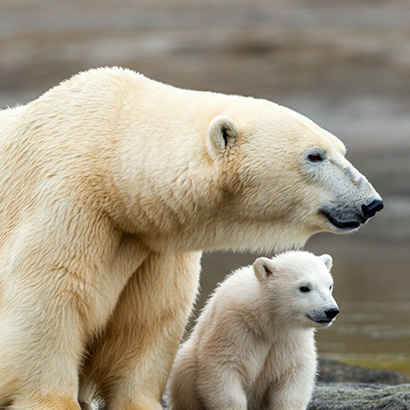
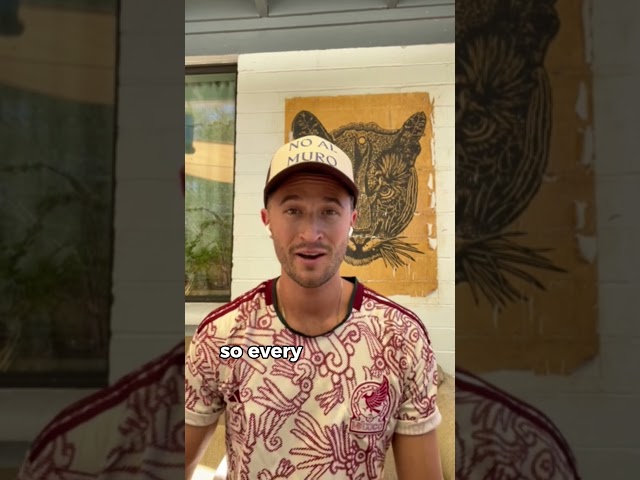
We are suing the U.S. Fish & Wildlife Service over their plan to transfer 715 acres of a public wildlife refuge to SpaceX. This action sacrifices public lands to subsidize a billionaire corporation, which we believe is an unacceptable use of shared resources.
Our co-plaintiffs include the Carrizo/Comecrudo Nation of Texas (@estok_gna_somisek), the South Texas Environmental Justice Network (@sotxejn), and @save.rgv. We extend our gratitude to @uriel.cinema for his footage and dedicated advocacy for the people and wildlife of the Rio Grande Valley.

The accelerating extinction crisis threatens countless species, from sea turtles to ancient forests, and the vital habitats they depend on. Every species deserves a future. 🌎
For nearly four decades, the Center for Biological Diversity has championed the protection of endangered species and wild places. We're not stopping now.
Join us in defending Earth's incredible biodiversity. Right now, your donation will be matched, doubling your impact for wildlife. Act before it's too late.

Enjoy 30 minutes of incredible frog moments, showcasing everything from poison dart frogs caring for their tadpoles to golden frogs battling for territory. Dive into the fascinating world of #Wildlife and #WildlifeDocumentary.
Welcome to BBC Earth, your source for 50 years of dramatic, rare, and exclusive natural history content. Discover stories, beauty, and natural wonder. Subscribe for more, and sign up for our newsletter for the latest updates.
This is a commercial page from BBC Studios. For service information and feedback, please visit bbcworldwide.com/vod-feedback--contact-details.aspx.

Discover the wonders of the natural world, from Madagascar's vibrant ecosystems to dramatic wildlife encounters, with BBC Earth. We offer 50 years of entertaining and thought-provoking natural history content, showcasing rare and exclusive moments.
Subscribe to BBC Earth for more captivating content: http://bit.ly/BBCEarthSub. Stay updated by signing up for our newsletter: https://www.bbcearth.com/newsletter. Explore acclaimed series and best-of compilations.
This is a commercial page from BBC Studios. For service information and feedback, please visit: http://bbcworldwide.com/vod-feedback--contact-details.aspx.

Wildlife biologist, broadcaster, and filmmaker Dan O'Neill discusses the new series *Tiger Island*, revealing remarkable new tiger behaviors and his filming experience in Nepal. Discover a hidden world by watching the series here: https://www.bbcearth.com/shows/tiger-island
Welcome to BBC Earth, home to 50 years of entertaining and thought-provoking natural history content. Explore dramatic, rare, and exclusive stories from the natural world. Subscribe for the latest updates and more amazing wildlife footage: http://bit.ly/BBCEarthSub. You can also sign up for our newsletter: https://www.bbcearth.com/newsletter

The Center for Biological Diversity is suing SpaceX to prevent the acquisition of 715 acres within the Lower Rio Grande Valley National Wildlife Refuge. This vital public land in south Texas is home to endangered ocelots, rare migratory birds, and Kemp’s ridley sea turtles.
SpaceX rocket launches have already caused significant environmental damage, including falling debris and harm to wildlife. A 2024 study documented damage to every monitored shorebird nest after a single launch. This lawsuit aims to protect the refuge's wildlife from further suffering due to a harmful land giveaway to a trillionaire-owned corporation.

The Center for Biological Diversity is suing SpaceX to prevent the acquisition of 715 acres within the Lower Rio Grande Valley National Wildlife Refuge. This critical South Texas habitat is home to endangered ocelots, rare migratory birds, and Kemp’s ridley sea turtles.
SpaceX rocket launches have already caused significant environmental damage, including falling debris and harm to shorebird nests, as documented by a 2024 study. This lawsuit aims to protect the refuge's wildlife from further suffering due to corporate expansion.

Welcome to BBC Earth, your source for 50 years of entertaining and thought-provoking natural history content. Discover dramatic, rare, and exclusive stories showcasing the world's beauty and natural wonder.
For more captivating wildlife content, including insights into creatures like tadpoles, [subscribe here](http://bit.ly/BBCEarthSub). Stay updated with the latest news and exclusives by signing up for our [newsletter](https://www.bbcearth.com/newsletter). Explore a wide range of videos and playlists, from the Best of BBC Earth to Planet Earth III.
This is a commercial page from BBC Studios. For [service information and feedback](http://bbcworldwide.com/vod-feedback--contact-details.aspx), please visit our site.

Bruce, a kea parrot native to New Zealand, lost his upper beak at a young age. Despite this, he has become the dominant alpha male of his community, known as a "circus," exhibiting unique preening and fighting skills.
A study in *Current Biology* (Grabham et al., 2026) suggests Bruce achieved his alpha status by winning all 36 interactions. He also displayed low stress hormone levels, received priority access to food, and was uniquely assisted with preening. This research highlights his resilience and unique abilities. (Source: Ars Technica, Current Biology)

The Department of Homeland Security has waived environmental laws to fast-track border barriers and roads through Texas' Big Bend National Park and Big Bend Ranch State Park. This construction threatens to damage roadless canyon country, block river access, fragment vital wildlife habitat for black bears and bighorns, and pollute Big Bend’s iconic night skies with artificial light.
Our organization is already in court to halt these plans and access public construction records. An advocate condemned the administration's "disgraceful" disregard for public lands, vowing to protect this "crown-jewel national park" and the Rio Grande.
Help us defend Big Bend and the Rio Grande. Your support is crucial.

The Department of Homeland Security has waived environmental laws to fast-track border barrier construction through Texas's Big Bend National Park and Big Bend Ranch State Park. This development threatens to damage roadless canyon country, block river access, fragment wildlife habitats for species like black bears and bighorns, and introduce artificial light pollution to Big Bend’s iconic night skies.
The Center for Biological Diversity is already in court to halt construction and access public records. An advocate condemned the administration's "disdain" for public lands, vowing to protect this "crown-jewel national park."
Support our fight to defend Big Bend and the Rio Grande: donate today, share this post, and follow us for updates.

Natural navigator Tristan Gooley reveals that nature's every shape and color is a solution to a problem, emphasizing that nothing is random and everything is connected. The AskNature Podcast helps us decipher these clues in the more-than-human world.
In Episode 3, delve into the two pillars of wayfinding and learn how a simple five-minute walk can unlock your brain's evolutionary potential. Hosted by Amanda Sturgeon, CEO of the Biomimicry Institute, and Chief Editor Andrew Howley, the AskNature Podcast is a project of The Biomimicry Institute.


Discover how wildlife adapts to a constantly changing environment, from incredible migrations to remarkable survival strategies. BBC Earth offers 50 years of entertaining and thought-provoking natural history content, showcasing the world's stories, beauty, and natural wonder.
Subscribe to BBC Earth for dramatic, rare, and exclusive nature content: http://bit.ly/BBCEarthSub. Sign up for our newsletter to receive the latest updates and exclusives: https://www.bbcearth.com/newsletter. This is a commercial page from BBC Studios. For service information and feedback, visit: http://bbcworldwide.com/vod-feedback--contact-details.aspx.

Ring-tailed lemurs are highly adaptable, thriving even in Madagascar's highlands.
[Subscribe to BBC Earth](http://bit.ly/BBCEarthSub) for captivating natural history content, including dramatic and exclusive wildlife stories. [Sign up for our newsletter](https://www.bbcearth.com/newsletter) to receive the latest news and updates. Explore 50 years of thought-provoking content, from "Planet Earth III" to "Blue Planet II in 4K," showcasing the world's beauty and natural wonder.
This is a commercial page from BBC Studios. For [service information and feedback](http://bbcworldwide.com/vod-feedback--contact-details.aspx), please visit our site.

Experience breathtaking island wildlife scenes, from Madagascar to the South Pacific, brought to you by BBC Earth. Discover 50 years of dramatic, rare, and exclusive natural history content, showcasing the world's beauty and wonder through captivating wildlife documentaries.
Subscribe to BBC Earth for more incredible content and sign up for our newsletter for the latest updates. Explore more from series like Planet Earth III, Frozen Planet II, and Blue Planet II in 4K. This is a commercial page from BBC Studios; for service information, visit BBC Studios Feedback.

Filmmakers have captured an extraordinary, never-before-seen behavior: two tiger mothers sharing and caring for each other's cubs. This remarkable discovery reveals how much we still have to learn about these iconic big cats.
Discover this hidden world and find out where to watch "Tiger Island" on BBC Earth. For more information, visit: bbcearth.com/shows/tiger-island

“What is the design intent of our lives?” The AskNature Podcast, a project of The Biomimicry Institute, explores this question. In its premiere episode, Janine Benyus and Christiana Figueres discuss biomimicry, belonging, and living in relationship with the natural world.
Figueres urges mindfulness in our actions, words, and thoughts, believing a more loving approach would transform our world. Benyus adds that our personal connection to nature is cultivable. Hosted by Amanda Sturgeon and Andrew Howley, this episode will shift your perspective on nature, design, and daily choices, reminding us to listen with humility. Episode 1 premieres May 27th.

Facing unprecedented ecological and social challenges, The AskNature Podcast explores how looking to nature can guide our future. It uncovers nature-inspired strategies for resilience, innovation, and systemic change, bringing together diverse voices to answer this crucial question.
Season 1 focuses on the exponential impact of reconnecting with nature, featuring guests like Janine Benyus, Christiana Figueres, and Robin Wall Kimmerer. Hosted by Amanda Sturgeon (CEO, Biomimicry Institute) and Andrew Howley, this project from The Biomimicry Institute premieres Episode 1 on May 27th.

The fashion industry's "take-make-waste" model drives climate and ecological crises. The Nature of Fashion project, with global partners, tackles this by demonstrating decomposition's potential for a regenerative, nature-positive future, proving a circular economy is already emerging through practical interventions.
In an AskNature Hive conversation, Andrew Keys (Circle Economy) and Asha Singhal (Nature of Fashion) explored transforming the industry by learning from nature, shifting economic models, and driving a circular transition. Hosted by AskNature Coordinator, Ayoade Balogun.
Learn more about biomimicry and connect with the institute: Biomimicry Institute, AskNature, The AskNature Podcast, The AskNature Hive, Instagram, LinkedIn.
Environmental Scientist and Advocate
What EarthSayers stands for
Discover Diverse Voices on EarthSayers
Unlike algorithm-driven platforms that push you into a content bubble, we ensure you hear a variety of perspectives from scientists, activists, Indigenous leaders, business innovators, and everyday citizens working toward sustainability.
EarthSayers CINEMA
Watch, learn and lead—sustainability starts with you.
The Many Passions of Matteo Lane
Matteo Lane is a multifaceted artist—stand-up comedian, painter, singer, and Broadway performer. In this interview, he shares how these skills intertwine in his creative process, likening art to a tree that branches out in various directions.
We explore his role as Billy Flynn in Broadway’s Chicago, his journey from bar shows to international comedy tours, and the evolution of gay representation in comedy. Lane also discusses his artistic roots at the School of the Art Institute of Chicago, his admiration for Maria Callas, and his philosophy of focusing on the journey of creation rather than the end product.
Official website: pbs.org/americanmasters


